
- peopleLLC
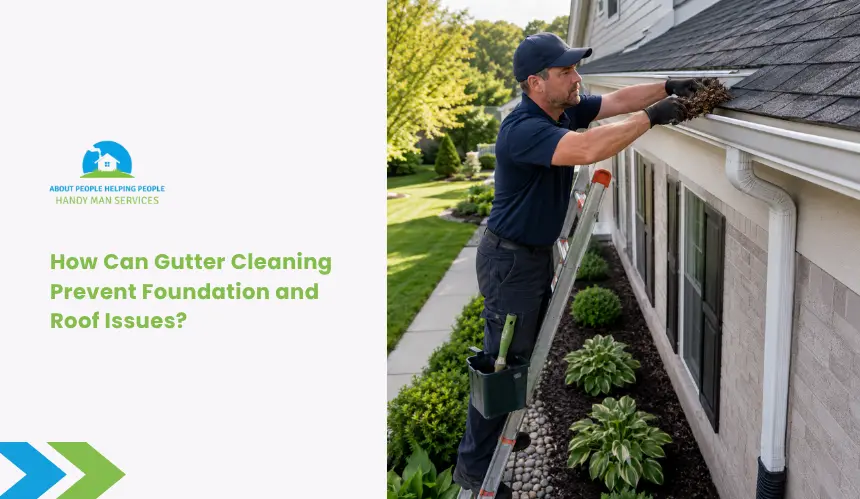
How Can Gutter Cleaning Prevent Foundation and Roof Issues?
Quick Answer: Gutter cleaning helps prevent foundation and roof issues by allowing rainwater to flow safely through the gutter system and away from the home. When gutters become clogged with leaves, dirt, and debris, water can overflow onto the roof or collect around the foundation, increasing the risk of roof leaks, damage to fascia boards, soil erosion, and moisture-related structural problems. Regular gutter cleaning helps protect a home by:
Many roof and foundation problems begin with poor water management rather than sudden structural failure. By keeping gutters and downspouts clear, homeowners help maintain proper drainage and reduce the risk of excess rainwater damaging critical parts of the home’s structure. |
Gutters are one of the most overlooked parts of a home’s exterior, yet they perform a critical job every time it rains. Their primary purpose is to collect water from the roof and direct it safely away from the structure. When gutters and downspouts become clogged with leaves, twigs, dirt, and other debris, the drainage system can no longer function as intended. Instead of flowing away from the home, water may back up onto the roof or spill over the edges near the foundation.
What makes clogged gutters particularly concerning is that the resulting damage often develops slowly. Overflowing water can repeatedly soak roof edges, fascia boards, and the soil surrounding the foundation without creating immediate visible problems. Over time, this repeated exposure may contribute to roof deterioration, moisture intrusion, soil erosion, and foundation-related issues that can become expensive to repair.
Did you know? Water is one of the leading causes of long-term structural deterioration in residential properties, and improper roof drainage is a common factor in many moisture-related home repairs. Even a simple gutter blockage can redirect hundreds of gallons of rainwater to areas that were never designed to handle it.
Regular gutter cleaning is not simply a matter of improving appearance. It is a preventive maintenance practice that helps maintain proper roof drainage, protects the foundation from excess water accumulation, and supports the long-term structural health of the entire home.
Why Are Gutters Important for Protecting a Home?
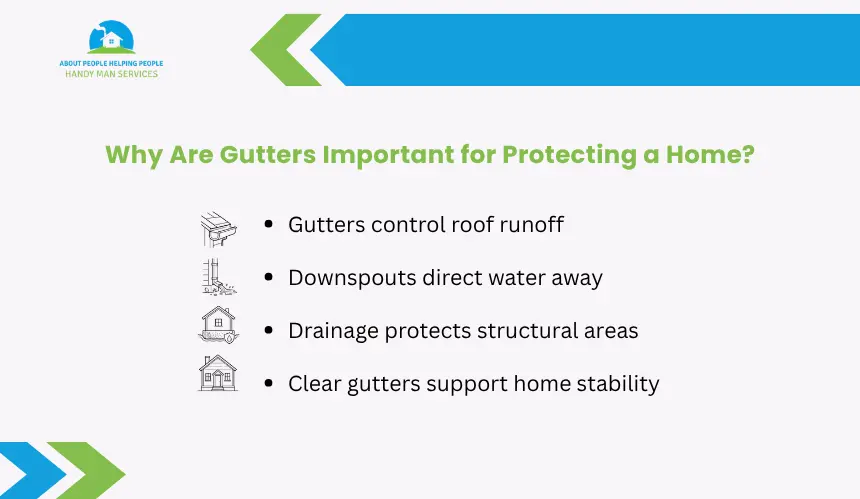
Gutters are a key part of a home’s exterior drainage system. While they may seem like simple channels attached to the roofline, their role extends far beyond collecting rainwater. Properly functioning gutters help control where water flows after it leaves the roof, reducing the amount of moisture that comes into contact with vulnerable structural components. Without an effective gutter system, even routine rainfall can gradually affect both the roof and the foundation.
How Do Gutters Manage Rainwater Runoff?
Every rainfall sends a large volume of water onto the roof. Gutters are designed to capture this runoff and channel it into downspouts, where it can be safely directed away from the structure.
By controlling the movement of water, gutters help prevent it from pooling along the roof edge or falling directly next to the home’s foundation.
Why Is Directing Water Away From the Structure So Important?
When rainwater is not properly carried away, it can accumulate around the base of the home or repeatedly wet the roofline and exterior walls. Over time, this constant exposure may contribute to moisture-related problems that affect surrounding building materials.
A properly maintained gutter system helps reduce unnecessary contact between water and critical structural areas, supporting the long-term stability of the home.
How Do Gutters Support Long-Term Structural Stability?
Gutters work together with the roof, fascia boards, downspouts, and grading around the property to create an effective water management system. When all of these components function properly, rainwater is directed away before it can cause damage.
Did you know? A single inch of rainfall can produce hundreds of gallons of water runoff from the average residential roof. Without clear gutters to manage that volume, a significant amount of water may be redirected toward areas that are more vulnerable to moisture damage.
Because gutters play such an important role in controlling water flow, even a relatively minor blockage can interfere with drainage and create conditions that affect the roof over time.
How Do Clogged Gutters Affect the Roof?

A roof is designed to shed water efficiently, but it depends on the gutter system to carry that runoff away from the roofline. When gutters become clogged with leaves, twigs, and other debris, water can no longer flow freely through the system. Instead, it may collect along the roof edge or overflow in areas not intended to handle continuous exposure to moisture. Over time, this can create conditions that affect the roof’s performance and durability.
How Does Water Backup Along the Roofline?
Clogged gutters can prevent rainwater from draining properly, causing it to pool near the edge of the roof. During heavy rainfall, this backup may keep roofing materials wet longer than intended, increasing the amount of moisture remaining in contact with vulnerable areas.
Repeated water accumulation can gradually affect roof edges and other nearby exterior components.
Why Are Fascia and Soffit Components at Risk?
Fascia boards and soffits are directly adjacent to the gutter system, making them among the first building materials exposed when gutters overflow. Water spilling over clogged gutters can repeatedly wet these components, increasing the likelihood of paint failure, wood deterioration, and moisture-related damage.
Fun Fact: Fascia boards do more than support gutters. They also help protect the edge of the roof structure and contribute to the overall integrity of the roofline.
Can Clogged Gutters Increase the Risk of Roof Leaks?
Yes. When water cannot drain efficiently, it can collect around roof edges, valleys, and other transition points where moisture should not remain for extended periods. Over time, repeated exposure may increase the risk of water finding pathways beneath roofing materials or around vulnerable joints.
Did you know? Many roof-related moisture problems are not caused by damaged shingles alone. Poor drainage and standing water along clogged gutters can also contribute to conditions that affect the roof system over time.
Because overflowing gutters do not simply affect the roof, the excess water that spills over the sides can also create problems at ground level, where it may begin to affect the home’s foundation.
How Can Gutter Cleaning Help Protect the Foundation?
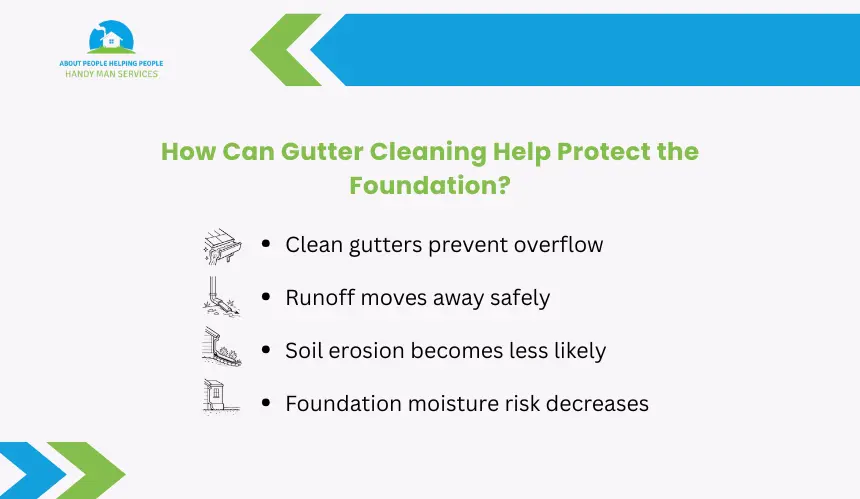
One of the primary purposes of a gutter system is to keep large amounts of rainwater away from the foundation. When gutters and downspouts are clear, they collect roof runoff and direct it to designated drainage areas. However, when debris blocks this flow, water can overflow along the edges of the home and repeatedly saturate the soil surrounding the foundation. Regular gutter cleaning helps maintain proper drainage and reduces the amount of water that accumulates near these critical structural areas.
How Does Gutter Cleaning Prevent Water From Collecting Near the Home?
Clogged gutters often cause rainwater to spill over the sides instead of flowing through the downspouts. Rather than being carried away from the structure, the water falls directly beside the foundation, where it can soak into the surrounding ground.
Keeping gutters clear helps ensure that runoff flows along its intended path, reducing unnecessary water accumulation around the home’s perimeter.
Why Is Soil Erosion Around the Foundation a Concern?
Repeated water overflow can gradually wash away or compact the soil supporting the area around the foundation. As rainfall continues to concentrate in the same locations, the ground may begin to erode, creating uneven drainage patterns and allowing even more water to collect near the structure.
Potential effects of poor gutter drainage include:
- Soil erosion around the home
- Standing water near foundation walls
- Washout around landscaping and walkways
- Increased moisture against the foundation
- Reduced the effectiveness of the property’s drainage system
By controlling roof runoff, gutter cleaning helps limit these conditions.
Can Clean Gutters Help Reduce Basement and Crawl Space Moisture?
Yes. Excess water that repeatedly collects around the foundation can gradually increase moisture levels in adjacent basement or crawl space areas. While many factors influence foundation moisture, directing rainwater away from the structure is an important way to reduce unnecessary water exposure.
Did you know? A roof can shed hundreds or even thousands of gallons of water during a major rainstorm. When gutters and downspouts are blocked, much of that water may be discharged directly next to the foundation instead of being safely diverted away.
Regular gutter cleaning helps maintain the home’s drainage system, reducing the amount of excess water that reaches the foundation and lowering the risk of moisture-related issues that can develop over time.
How Does Gutter Cleaning Help Prevent Roof Issues?
A roof is designed to shed water efficiently, but it relies on clean gutters to complete the drainage process. When gutters become clogged, rainwater can no longer move away from the roofline as intended. Instead, it may pool along the edges of the roof, overflow onto surrounding components, or remain trapped in areas where prolonged exposure to moisture can gradually affect roofing materials. Routine gutter cleaning helps maintain proper drainage and reduces many of the conditions that contribute to roof-related problems.
How Does Gutter Cleaning Prevent Water Backup?
Clean gutters provide a clear path for rainwater to flow from the roof into the downspouts. When leaves, twigs, and debris block this path, water can back up along the roof edge instead of draining away.
By removing these obstructions, gutter cleaning helps prevent standing water that can place unnecessary stress on roof-edge materials.
Why Is Reducing Moisture Exposure Important for the Roof?
Roofing materials are designed to quickly shed water, not remain in constant contact with it. When clogged gutters cause water to collect near the roofline, shingles, fascia boards, soffits, and roof decking may be repeatedly exposed to moisture.
Over time, this can contribute to:
- Deterioration of roof-edge materials
- Damage to fascia and soffit boards
- Premature wear of protective finishes
- Increased risk of moisture reaching underlying roof components
Keeping gutters clear helps minimize these long-term moisture-related concerns.
Can Gutter Cleaning Help Reduce the Risk of Roof Leaks?
Yes. Proper drainage helps prevent water from collecting around roof valleys, edges, and transition points where moisture can become trapped. When gutters function properly, rainwater is quickly directed away from these vulnerable areas rather than lingering near roofing materials.
Fun Fact: A typical residential roof can shed hundreds of gallons of water during a moderate rainstorm. A clean gutter system ensures that this runoff leaves the roof efficiently instead of backing up along the roofline.
Did you know? Many roof maintenance professionals consider clogged gutters a preventable contributor to roof-edge deterioration because poor drainage repeatedly exposes the same areas of the roof to excess moisture.
By maintaining a clear path for water runoff, regular gutter cleaning supports the performance of the entire roof drainage system, helping protect shingles, fascia boards, soffits, and other roof components from avoidable moisture-related damage.
Can Blocked Gutters Lead to Hidden Water Damage?

Yes. One of the less obvious consequences of clogged gutters is the potential for hidden water damage. When gutters overflow repeatedly, water does not always fall harmlessly to the ground. Instead, it can run behind gutters, seep into exterior joints, and repeatedly wet areas of the home that are designed to remain dry. Because this moisture often enters concealed spaces, the damage may go unnoticed until more visible problems begin to appear.
How Can Overflowing Gutters Affect Exterior Walls?
When gutters are blocked, overflowing water may run down the sides of the home instead of through the downspouts. This repeated exposure can increase the amount of moisture reaching siding, trim, and other exterior materials.
Over time, excessive water contact may contribute to:
- Deterioration of exterior finishes
- Damage to the trim and fascia boards
- Moisture around window and door openings
- Increased wear on protective sealants
Keeping gutters clean helps reduce these repeated moisture cycles.
Why Are Siding and Trim Vulnerable to Overflowing Water?
Exterior siding and trim are designed to withstand normal weather exposure, but they are not intended to withstand concentrated streams of water that spill continuously from clogged gutters. Overflow can saturate these surfaces, allowing moisture to reach joints and transition points where water is more likely to collect.
This is one reason gutter maintenance is often considered part of a broader exterior water management strategy.
Can Hidden Moisture Lead to Mold or Wood Rot?
Persistent moisture trapped behind exterior materials can create conditions that contribute to wood deterioration and mold growth. While these problems may take time to develop, repeated exposure to water from overflowing gutters can gradually affect the condition of surrounding building materials.
Did you know? Many exterior moisture problems develop slowly over multiple seasons. A gutter that overflows during every heavy rainstorm can repeatedly expose the same areas of the home to water, increasing the likelihood of hidden deterioration over time.
By preventing water from overflowing where it does not belong, routine gutter cleaning helps protect not only the roof and foundation but also the exterior materials that connect and shield the entire structure.
Frequently Asked Questions
How does gutter cleaning help protect a home's foundation?
Gutter cleaning helps direct rainwater away from the home through the downspout system. This reduces water accumulation around the foundation and helps limit soil erosion and excess moisture.
Can clogged gutters cause roof problems?
Yes. Clogged gutters can cause water to back up along the roof edge, increasing moisture exposure around shingles, fascia boards, and soffits and raising the risk of roof-related damage.
How do clean gutters help prevent basement or crawl space moisture?
By directing roof runoff away from the home, clean gutters reduce the amount of water that collects around the foundation, helping minimize moisture migration into basements and crawl spaces.
What are the signs that gutters need cleaning?
Common signs include water overflowing during rain, visible leaves and debris, sagging gutters, plants growing inside the gutter system, and water stains along exterior walls.
How often should gutters be cleaned?
Most homes benefit from gutter cleaning at least twice a year, typically in the spring and fall. Homes surrounded by trees or heavy foliage may require more frequent maintenance.
Can clogged gutters damage fascia boards?
Yes. Overflowing water from blocked gutters can repeatedly wet fascia boards, increasing the likelihood of paint deterioration, wood decay, and moisture-related damage.
Does regular gutter cleaning help prevent water damage?
Yes. Routine gutter cleaning helps maintain proper roof drainage, reducing the risk of roof-edge moisture, foundation water accumulation, exterior wall damage, and other water-related structural issues.