
- About People Helping People
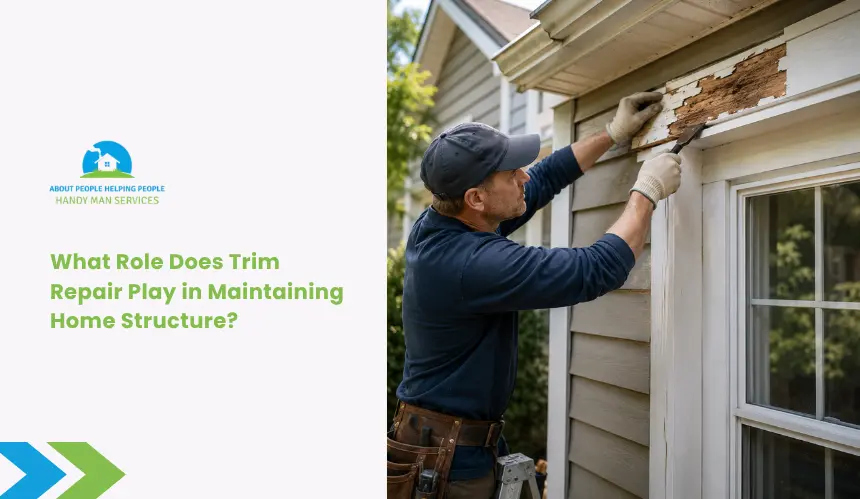
What Role Does Trim Repair Play in Maintaining Home Structure?
Quick Answer: Trim repair plays an important role in maintaining a home’s structure by protecting vulnerable areas from moisture intrusion, reducing the risk of wood rot, sealing gaps that allow pest entry, and helping preserve the integrity of surrounding building materials. Although trim is often viewed as a decorative feature, it also serves as a protective barrier around windows, doors, rooflines, and exterior transitions. Some of the key ways trim repair helps protect a home include:
Small cracks, loose boards, failing caulk, or rotting trim may seem like minor maintenance issues, but they can allow water and pests to reach underlying structural components. Repairing damaged trim early helps prevent larger problems and supports the home’s long-term stability and condition. |
When homeowners think about protecting a house from structural damage, they often focus on the roof, foundation, or siding. However, one of the most overlooked protective features is the trim that surrounds windows, doors, rooflines, and exterior corners. While trim certainly contributes to a home’s appearance, it also serves as a critical barrier that helps keep water, pests, and outdoor elements away from the building materials beneath it.
Small trim problems can quickly grow into larger structural concerns. A cracked board, a failing caulk joint, or a section of rotting wood may create an opening through which moisture can enter the wall assembly. Over time, that hidden moisture can contribute to wood rot, mold growth, insulation damage, and deterioration of framing components without immediately showing visible signs.
Did you know? Water intrusion is one of the leading causes of long-term residential structural damage, and many moisture problems begin at vulnerable transition points, such as windows, doors, roof edges, and trim connections, where protective barriers have deteriorated.
Trim repair is therefore much more than a cosmetic improvement. Maintaining these protective components helps preserve the home’s weather resistance, reduce the risk of hidden water damage, limit pest access, and support the long-term durability of the overall structure.
What Purpose Does Trim Serve in a Home?

Although trim is often associated with architectural style and curb appeal, it also performs several important protective functions. Installed around windows, doors, rooflines, corners, and transitions between building materials, trim helps shield vulnerable areas of a home from weather exposure and everyday wear. Without properly maintained trim, these exposed joints can become pathways for moisture, pests, and long-term structural deterioration.
How Does Trim Protect Gaps and Joints?
Every home contains natural seams where different building materials meet. Window frames connect to siding, doors meet exterior walls, and roof edges transition into fascia and soffit systems. Trim helps cover and protect these joints, reducing direct exposure to wind, rain, and debris.
When properly applied, caulking and sealants, combined with trim, create an additional layer of defense that helps prevent water from reaching underlying structural materials.
Why Is Trim Important for Weather Resistance?
Exterior trim helps direct water away from sensitive areas and acts as a protective barrier against the elements. By covering exposed edges and reducing gaps, trim helps minimize the effects of rain, humidity, sunlight, and seasonal temperature changes.
This protective role is especially important around windows and doors, where repeated exposure to weather can gradually weaken surrounding materials if moisture is allowed to enter.
How Does Trim Support Long-Term Structural Durability?
Trim does not carry structural loads in the same way as framing components, but it helps preserve the condition of the materials that do. By protecting sheathing, framing, insulation, and connection points from environmental exposure, trim contributes to the overall durability and longevity of the home’s exterior envelope.
Fun Fact: Building professionals often describe exterior trim as part of a home’s “protective skin” because it helps shield some of the most vulnerable transition areas from weather-related damage.
Did you know? Many hidden water intrusion problems begin not through large openings, but through tiny gaps around windows, doors, and trim joints that gradually widen as materials age and protective sealants deteriorate.
Because trim plays such an important protective role, even relatively minor damage can expose underlying building materials and create conditions that affect the home’s structural integrity over time.
How Can Damaged Trim Affect a Home's Structure?
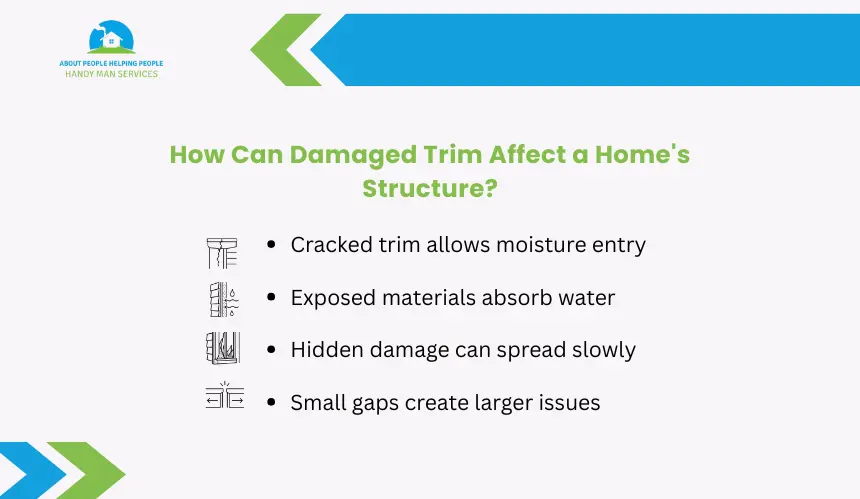
Damaged trim may appear to be a minor cosmetic issue, but it can expose some of a home’s most vulnerable areas to the elements. Cracks, loose boards, rotting sections, or failed caulking can allow water and debris to reach the building materials beneath the trim. Over time, this exposure can affect surrounding components and contribute to more extensive structural problems.
How Does Damaged Trim Allow Moisture to Enter?
Exterior trim is designed to help seal and protect the joints around windows, doors, siding, and rooflines. When trim becomes cracked, warped, or separated from the structure, small openings can develop, allowing rainwater and moisture to penetrate behind the protective exterior surfaces.
Even minor gaps can repeatedly channel water into concealed areas during storms or periods of heavy humidity.
Why Does Exposure of Underlying Building Materials Matter?
Once moisture bypasses damaged trim, it can reach sheathing, framing, insulation, and other structural components that are not intended to be exposed to the weather. These materials may absorb water over time, especially if the leak remains hidden.
Potential consequences include:
- Wood rot and decay
- Deteriorating wall sheathing
- Damaged insulation
- Mold and mildew growth
- Reduced structural durability
Because this damage often occurs behind finished surfaces, it may not become visible until repairs are more extensive.
Can Small Trim Problems Lead to Larger Structural Issues?
Yes. A section of damaged trim that initially affects only a small area can gradually create conditions that impact a much larger portion of the home. Repeated moisture intrusion, freeze-thaw cycles, and prolonged exposure to the elements can accelerate deterioration and increase repair costs over time.
Did you know? Many water-damaged framing repairs begin with a relatively small opening around a window, door, or exterior trim connection that allowed moisture to enter unnoticed for months or even years.
While damaged trim can directly expose structural materials to the elements, one of its most important functions is preventing water intrusion in the first place. This is why timely trim repair plays such a valuable role in protecting a home from water damage.
Can Trim Repair Help Prevent Water Damage?

Yes. One of the most important functions of trim repair is reducing the risk of water intrusion before it reaches a home’s structural components. Exterior trim helps seal gaps and transitions around windows, doors, siding, and rooflines, but when these protective elements become damaged or deteriorate with age, moisture can begin to enter areas that are difficult to inspect. Repairing trim restores this protective barrier and helps keep water where it belongs, outside the home.
How Does Trim Repair Block Moisture Intrusion?
Cracked boards, separated joints, and failing caulk can all create pathways for rainwater and humidity to penetrate behind the exterior finish. Trim repair addresses these weak points by restoring damaged sections, resealing joints, and helping maintain a continuous weather-resistant barrier.
This limits the opportunities for water to migrate into concealed wall cavities and other vulnerable spaces.
How Does Healthy Trim Protect Walls, Windows, and Framing?
Windows and doors are naturally exposed to heavy rain and changing weather conditions. Trim installed around these openings helps channel water away from the surrounding structure while protecting the edges where different materials meet.
By keeping these transition points properly sealed, trim repair helps protect:
- Wall sheathing
- Wooden framing members
- Window and door assemblies
- Insulation materials
- Interior finishes and cabinetry near exterior walls
Maintaining these protective layers helps preserve the long-term integrity of the building envelope.
Why Is Reducing Hidden Moisture So Important?
Water damage is often most destructive when it occurs out of sight. Moisture that enters behind damaged trim may remain trapped inside walls, around windows, or beneath exterior finishes for long periods without obvious symptoms.
Fun Fact: A small gap around deteriorated exterior trim may allow only tiny amounts of water to enter during each rainfall, but repeated exposure over months or years can gradually saturate surrounding materials and lead to significant hidden damage.
Did you know? Building professionals frequently trace hidden wall moisture and wood rot back to failed exterior sealing points around trim, windows, and doors rather than to large roof or plumbing leaks.
By limiting water intrusion and helping keep vulnerable building materials dry, trim repair serves as one of the home’s first lines of defense against long-term moisture damage and structural deterioration.
How Does Trim Repair Reduce the Risk of Wood Rot and Decay?

Wood rot is one of the most common consequences of neglected exterior trim damage. Because trim is positioned along exposed edges and transition points, it is often one of the first building components to come into contact with rain, humidity, and changing weather conditions. When damaged trim allows moisture to remain trapped against wooden materials, the conditions for decay can gradually develop.
How Does Trim Repair Limit Water Exposure?
Well-maintained trim helps direct water away from the home’s exterior while sealing small gaps where moisture could otherwise enter. Repairing cracked, warped, or separated trim reduces the amount of water that reaches wooden framing, sheathing, and other structural materials.
By limiting repeated wetting and drying cycles, trim repair helps slow the deterioration process that often leads to wood rot.
Why Is Protecting Wooden Components So Important?
Many of the structural elements behind a home’s exterior finish are made from wood or wood-based materials. When these components remain dry, they can provide decades of reliable service. However, long-term exposure to moisture can weaken wood fibers and reduce the strength and stability of surrounding building materials.
Areas commonly protected by trim include:
- Window framing
- Door framing
- Fascia boards
- Corner boards
- Exterior wall sheathing
Keeping these components protected helps preserve the overall condition of the structure.
How Does Trim Repair Help Prevent Long-Term Material Deterioration?
Once decay begins, it often spreads beyond the original point of water intrusion. Moisture can move into nearby wood, insulation, and adjacent structural components, expanding the area affected by damage.
Did you know? Wood-decaying fungi require moisture to survive. By reducing the amount of water reaching vulnerable areas, timely trim repair helps remove one of the key conditions for rot to develop and spread.
Fun Fact: In many exterior repair projects, the visible trim damage represents only a small portion of the problem. Addressing deteriorated trim early can help prevent hidden decay from extending into more expensive structural components behind the walls.
Because damaged trim can also create small openings around a home’s exterior, repairing these areas provides another important benefit: reducing opportunities for insects and rodents to gain access.
Does Well-Maintained Trim Help Keep Pests Out?
Yes. In addition to protecting against moisture, well-maintained trim helps seal many of the small gaps and openings that insects and rodents use to enter a home. Exterior trim forms part of the protective barrier around windows, doors, rooflines, and wall transitions. When these areas become cracked, loose, or deteriorated, they can create easy access points for unwanted pests.
How Does Trim Repair Seal Small Entry Points?
As trim ages, wood can shrink, warp, or separate from adjacent building materials. Caulking may crack, joints may open, and damaged sections can leave narrow gaps around windows, doors, and corners of the home.
Repairing or replacing these sections helps restore a tight exterior seal, reducing the number of pathways available for insects and small animals to enter.
Why Are Insects and Rodents Attracted to Damaged Trim?
Openings around damaged trim can provide both access and shelter. Moisture entering through these gaps may also soften wood or contribute to decay, creating conditions attractive to certain insects.
Areas with deteriorated trim may encourage activity from:
- Ants
- Termites
- Wasps
- Spiders
- Mice and other small rodents
While the openings may appear insignificant, many common household pests require only a very small gap to gain entry.
How Does Trim Maintenance Reduce Hidden Nesting Areas?
Loose boards, rotting wood, and separated trim pieces can create protected spaces where pests may hide or build nests. Maintaining trim and repairing damaged sections helps eliminate these sheltered areas and make it easier to identify signs of pest activity before infestations become more extensive.
Did you know? Building and pest management professionals often inspect exterior trim, window frames, and door casings because these transition areas are among the most common locations where moisture problems and pest entry points occur together.
Fun Fact: A gap only a fraction of an inch wide around damaged trim can be enough for many insects to enter a home, while small rodents can squeeze through surprisingly narrow openings if they find an accessible route.
By helping keep moisture out and limiting pest access, properly maintained trim supports the overall health of the building envelope and helps protect the home’s structural components over the long term.
Which Areas of a Home Are Most Vulnerable to Trim Damage?
Not all trim experiences the same level of exposure. Certain parts of a home are exposed to constant sunlight, wind, rain, temperature fluctuations, and repeated exposure to moisture, making them more susceptible to deterioration over time. Regularly inspecting these high-risk areas can help homeowners identify small issues before they lead to larger structural or water damage concerns.
Why Is Window Trim Especially Vulnerable?
Window trim is constantly exposed to weather while also protecting one of the home’s most important transition points. Rainwater, condensation, and ultraviolet (UV) exposure can gradually break down paint, caulking, and the trim material itself.
Because windows interrupt the exterior wall surface, even small gaps around damaged trim can allow moisture to reach the surrounding framing and sheathing.
How Does Door Trim Experience Wear and Damage?
Exterior doors are opened and closed countless times each year while being exposed to changing weather conditions. Door trim must withstand movement, moisture, and direct environmental exposure, all of which can contribute to cracking, separation, or deterioration.
Areas near thresholds and lower trim sections are particularly vulnerable because they may be exposed to standing water or splash-back during storms.
Why Are Fascia and Roofline Trim High-Risk Areas?
Fascia boards and roofline trim protect the edges of the roof and help shield structural components from rain and runoff. These areas are regularly exposed to water flowing from the roof, making them especially vulnerable if paint, sealants, or trim materials begin to fail.
Unchecked deterioration in the roofline trim can allow moisture to reach the underlying roof and framing components.
Why Do Corner Boards and Exterior Transitions Require Attention?
Corner boards and trim installed where different exterior materials meet help protect some of the most exposed joints on a home. These transition areas expand and contract with seasonal temperature changes, placing additional stress on caulking and trim connections.
Fun Fact: Exterior corners and trim joints often experience greater movement than flat wall surfaces because different building materials respond differently to changes in temperature and humidity.
Did you know? Home maintenance professionals frequently inspect windows, doors, rooflines, and exterior corners first because these areas account for a large percentage of moisture intrusion problems associated with deteriorating trim.
Since these locations experience the greatest exposure to weather and environmental stress, they are also where the earliest warning signs of trim damage and structural concerns are most likely to appear.
What Warning Signs Indicate the Trim Should Be Repaired?
Trim damage often develops gradually, making early warning signs easy to overlook. However, small defects can allow moisture and pests to reach the materials beneath the trim, increasing the risk of structural deterioration over time. Identifying these indicators early allows homeowners to address problems before they escalate into larger, more expensive repairs.
Cracks, Gaps, or Separated Trim Boards
Visible cracks, open joints, or trim sections pulling away from the home are often the first signs that the protective barrier is beginning to fail. These openings can allow rainwater, humidity, and debris to reach the underlying wall assembly.
Even narrow gaps around windows, doors, or corners can become entry points for moisture if left unaddressed.
Peeling Paint or Failing Caulk
Paint and caulking help protect trim from exposure to the weather. When paint begins to peel, bubble, or flake, or when caulk becomes cracked or separates from the trim, the underlying material becomes more vulnerable to moisture intrusion.
These cosmetic changes often indicate that the trim’s protective seal is weakening.
Soft, Warped, or Rotting Wood
Wood that feels soft to the touch, appears swollen, or shows signs of decay may indicate that moisture has been penetrating the trim for an extended period. Rotting sections should be inspected promptly because the deterioration may extend beyond the visible surface into adjacent structural materials.
Water Stains, Mold, or Persistent Dampness
Discoloration around windows, doors, or interior walls near exterior trim can indicate that water is bypassing the protective barrier. Persistent dampness, mildew, or mold growth may indicate that moisture is entering through damaged trim and becoming trapped behind finished surfaces.
Signs of Pest Activity Around Trim
Small holes, insect activity, nesting materials, or evidence of rodents near trim sections can suggest that gaps or deteriorated wood are providing access to the home’s interior. Because damaged trim and moisture problems often occur together, these areas deserve careful attention.
Did you know? In many cases, homeowners notice peeling paint or cracked caulk months before discovering hidden water damage behind the trim. Addressing these early warning signs can help prevent more extensive structural repairs later.
Recognizing these indicators and responding quickly helps preserve the protective role that trim plays in shielding the home from moisture, decay, and other long-term structural threats.
How Can Regular Trim Maintenance Extend the Life of a Home?
Regular trim maintenance is one of the simplest ways to protect a home’s exterior and reduce the likelihood of larger structural problems. Because trim serves as a barrier between the elements and the underlying building materials, keeping it in good condition helps preserve the overall integrity of the home’s protective envelope. Small maintenance efforts performed consistently can often prevent much more extensive repairs in the future.
Why Are Routine Inspections Important?
Periodic inspections help identify early signs of deterioration before they become serious problems. Checking trim around windows, doors, rooflines, and exterior corners for cracks, loose sections, failing caulk, or peeling paint can reveal issues before repairs become more extensive.
How Do Prompt Repairs Help Protect the Structure?
Addressing damaged trim as soon as problems are discovered helps prevent moisture from reaching framing, sheathing, and insulation materials. Replacing a small section of trim or resealing an exposed joint is often far less complicated than repairing hidden water damage that has spread behind the exterior finish.
Why Do Repainting and Resealing Matter?
Paint and sealants provide an additional layer of defense against rain, humidity, and ultraviolet exposure. Maintaining these protective coatings helps slow weather-related deterioration and extends the service life of the trim itself.
Fun Fact: In many homes, the paint system acts as the first moisture barrier protecting wooden trim. Once that protective coating begins to fail, the underlying material becomes much more vulnerable to water absorption.
How Does Preventive Exterior Maintenance Reduce Future Repairs?
Trim works together with siding, roofing, flashing, and caulking to protect the home from the elements. Keeping all of these components properly maintained helps reduce the risk of water intrusion, wood rot, pest activity, and structural deterioration.
Did you know? Many major exterior repair projects begin with relatively minor maintenance issues that were left unresolved. Routine inspections and timely trim repairs can often stop small problems from developing into costly structural damage.
By making trim maintenance part of a regular home care routine, homeowners can help preserve the durability, weather resistance, and long-term value of the entire structure.
Frequently Asked Questions
Why is trim important for a home's structure?
Trim helps protect gaps and transition points around windows, doors, rooflines, and siding. It acts as a barrier against moisture, pests, and weather exposure, helping preserve the integrity of underlying building materials.
Can damaged trim cause water leaks?
Yes. Cracked, loose, or deteriorated trim can allow rainwater and moisture to penetrate behind exterior surfaces, potentially leading to hidden water damage, wood rot, and mold growth.
How does trim repair help prevent wood rot?
Trim repair restores protective barriers that keep water away from exposed wood and structural components. Limiting long-term moisture exposure reduces the conditions that allow wood decay to develop.
What are the signs that exterior trim needs repair?
Common warning signs include cracks, gaps, peeling paint, failing caulk, soft or rotting wood, water stains, mold growth, and visible pest activity around trim sections.
Can damaged trim attract pests?
Yes. Gaps and deteriorated wood can create entry points and sheltered spaces for insects and small rodents. Repairing trim helps seal these openings and reduce pest access.
How often should home trim be inspected?
A visual inspection at least once or twice a year, and after severe weather events, can help identify early signs of trim deterioration before larger structural issues develop.
Should damaged trim be repaired or replaced?
Minor cracks, loose sections, or localized damage can often be repaired. However, a trim that has extensive rot, severe deterioration, or repeated moisture damage may require full replacement to restore proper protection.