
- About People Helping People
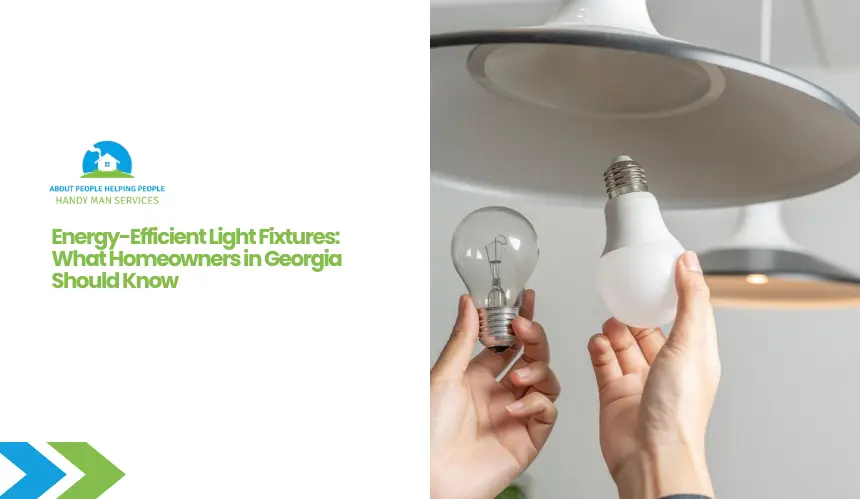
Energy-Efficient Light Fixtures: What Homeowners in Georgia Should Know
A quick answer: Energy-efficient light fixtures reduce electricity costs, improve lighting quality, and minimize environmental impact. Understanding fixture types, bulb compatibility, installation requirements, and regional considerations helps homeowners in Georgia choose sustainable solutions without sacrificing comfort or style.
Homeowners in Georgia often face high energy bills due to extended use of air conditioning and lighting in humid, sun-exposed homes. Installing energy-efficient light fixtures allows residents to reduce electricity consumption while maintaining sufficient illumination for daily activities. This guide covers the essentials, from fixture selection to installation and maintenance, ensuring cost savings and environmental benefits.
Understanding Energy-Efficient Light Fixtures
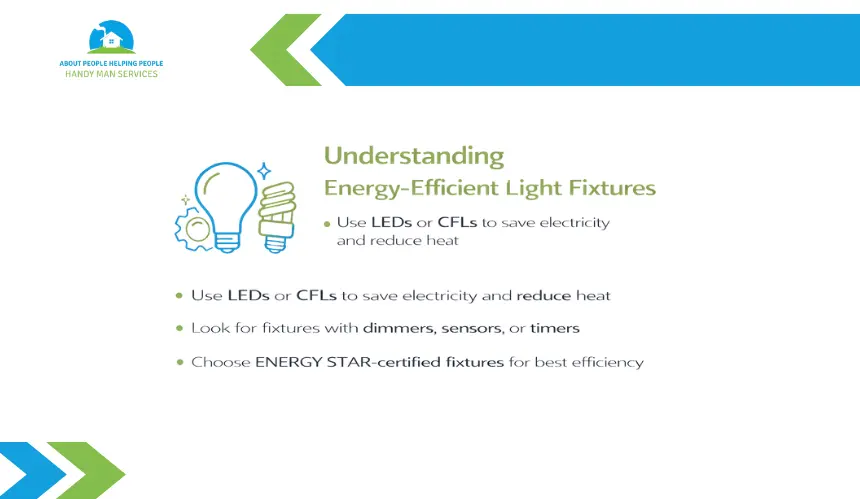
Energy-efficient light fixtures are designed to use less electricity while providing illumination comparable to or better than that of conventional fixtures. They often incorporate LED technology, compact fluorescent lamps (CFLs), or advanced innovative lighting features that automatically adjust brightness. Choosing the right fixture type affects both energy consumption and a home’s overall aesthetic.
How LED and CFL Fixtures Save Energy
LED bulbs consume 75–85% less energy than traditional incandescent bulbs and last up to 25 times longer. CFLs use about 70% less energy and maintain stable performance over time. Both technologies reduce heat output, which can also lower cooling costs in warm Georgia homes.
Choosing Fixtures With Built-In Efficiency Features
Modern fixtures may include dimmers, motion sensors, or timers to optimize energy use. Dimmable lights let homeowners reduce brightness when full illumination isn’t needed, while motion sensors automatically turn off lights in unoccupied rooms. These features combine convenience with measurable energy savings.
Tip: Look for ENERGY STAR-certified fixtures for verified efficiency and long-term cost reduction.
Selecting the Right Fixture for Your Home
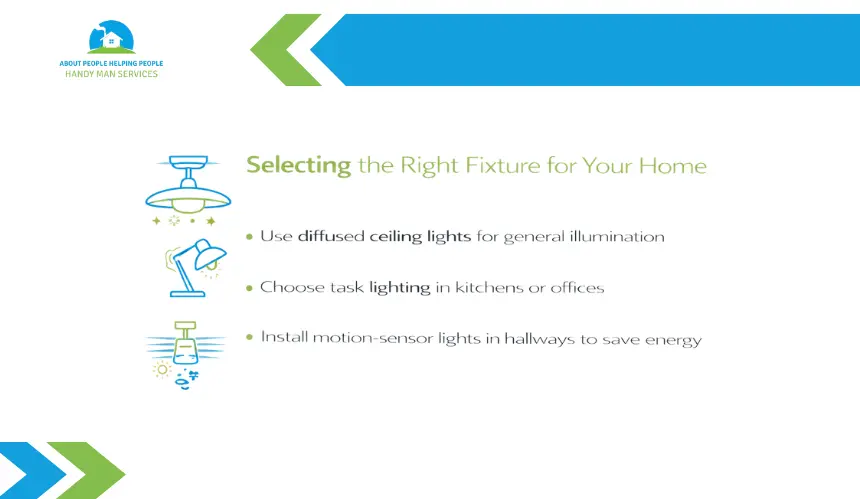
Choosing the correct fixture involves assessing the room size, ceiling height, available natural light, and intended use. A well-matched fixture ensures efficient illumination without over-lighting, which can waste energy.
Room-Specific Fixture Considerations
In living areas, diffused ceiling lights provide even coverage, while task lighting in kitchens or offices targets specific workspaces. Hallways benefit from motion-sensor fixtures that reduce unnecessary use. Selecting fixtures that align with the room function ensures optimal efficiency.
Bulb Compatibility and Fixture Design
Some energy-efficient fixtures require specific bulb types, such as LEDs, and may not work with older incandescent replacements. Verify compatibility to avoid reduced performance or flickering. Fixture design also influences light distribution, so consider adjustable angles or diffusers for even illumination.
Installation and Safety Considerations
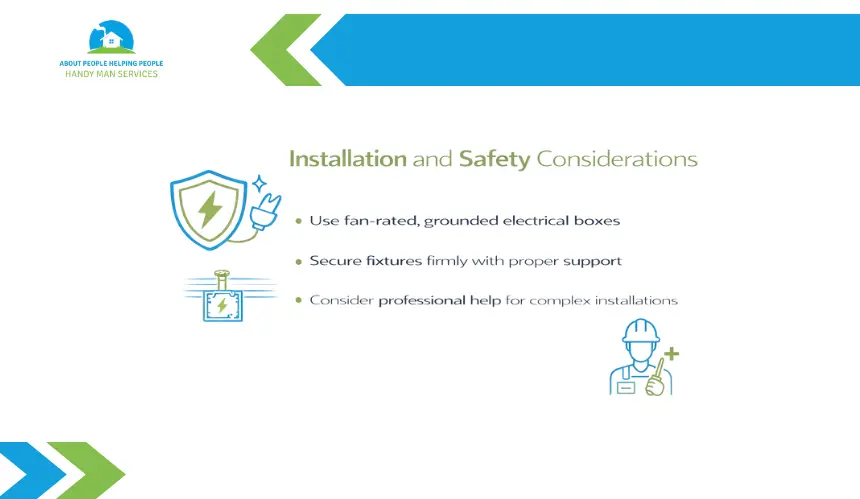
Proper installation of light fixtures is essential for efficiency, safety, and longevity. Poor installation can result in energy loss, electrical hazards, or fixture damage.
Electrical Safety Requirements
Fixtures must be installed in accordance with local electrical codes and manufacturer instructions. This includes proper grounding, secure mounting, and ensuring the circuit can handle the fixture’s load. Improper wiring can cause shorts, flickering, or overheating.
Professional vs. DIY Installation
While small, pre-assembled fixtures can be installed by experienced homeowners, complex or ceiling-mounted fixtures often require professional help. Experts ensure secure mounting, correct wiring, and proper alignment, minimizing energy loss and enhancing long-term durability.
Tip: Always turn off the circuit breaker before attempting any electrical installation to prevent accidents.
Maintenance Tips for Long-Lasting Efficiency
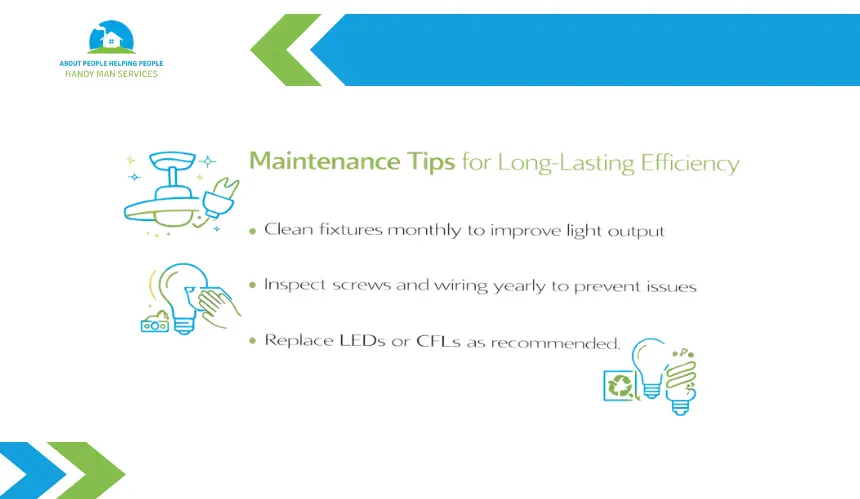
Even energy-efficient light fixtures require periodic cleaning and inspection to maintain peak performance. Dust accumulation, humidity, and aging components can reduce light output and energy savings.
Cleaning and Dust Removal
Dust and debris on bulbs or fixture surfaces reduce illumination and increase energy usage. Clean light fixtures monthly using a soft cloth or microfiber duster. Avoid harsh chemicals that can damage coatings or reduce reflectivity.
Inspecting Electrical Connections
Check screws, brackets, and wiring connections annually to ensure safety and consistent operation. Loose connections can cause flickering or electrical resistance, lowering efficiency.
Replacing Components Appropriately
LEDs typically last 15–25 years, while CFLs last around 8–10 years. Replace bulbs and internal drivers as recommended by the manufacturer to maintain optimal efficiency. Proper disposal of old bulbs also ensures environmental compliance.
Additional Advantages of Energy-Efficient Fixtures
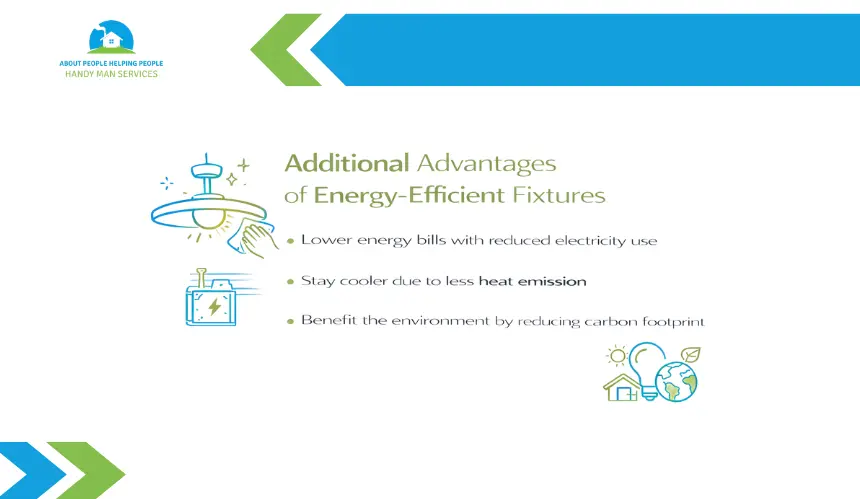
Beyond cost savings, energy-efficient light fixtures offer numerous benefits that improve comfort, convenience, and environmental responsibility. Reduced electricity consumption directly lowers household energy bills while minimizing the carbon footprint. Lower heat output also helps maintain cooler room temperatures, indirectly decreasing the demand on air conditioning systems in Georgia’s humid climate.
Tip: Integrating natural daylight with energy-efficient fixtures maximizes illumination while minimizing electricity use during daytime hours.
Reduced Heat Emission for Improved Comfort
LED and other energy-efficient light fixtures produce significantly less heat than traditional incandescent or halogen bulbs. Lower heat emission prevents rooms from overheating, contributing to a more comfortable indoor environment during Georgia’s hot summer months. Reduced heat can also ease the workload on HVAC systems, saving energy and prolonging equipment lifespan.
Environmental Benefits and Sustainability
By consuming less electricity, energy-efficient fixtures reduce greenhouse gas emissions associated with energy production. Choosing energy-saving light fixtures supports sustainable living by decreasing household carbon footprints and promoting responsible energy use. Homeowners who adopt multiple efficient fixtures contribute positively to the local and global environment.
Enhanced Longevity and Reduced Maintenance
Energy-efficient bulbs, particularly LEDs, last 15–25 times longer than traditional incandescent bulbs. This reduces replacement frequency, lowering maintenance efforts and costs over time. Longer-lasting bulbs also mean less waste sent to landfills, aligning with environmentally conscious home management practices.
Improved Lighting Control and Flexibility
Many energy-efficient fixtures include dimmers, motion sensors, or timers. These features allow homeowners to adjust brightness levels, schedule lighting, or automate operation, improving convenience while further optimizing energy savings. Flexible control ensures rooms are well lit only when needed, preventing unnecessary electricity use.
Frequently Asked Questions
Do energy-efficient light fixtures cost more upfront?
Yes, initial costs are higher, but long-term savings on electricity and bulb replacement outweigh the upfront investment.
Can all light fixtures be replaced with energy-efficient versions?
Most modern fixtures can accommodate LEDs or CFLs, but verify bulb compatibility for older or specialty fixtures.
How much can I save on electricity?
Switching to LEDs can reduce lighting costs by up to 75%, depending on usage patterns and fixture types.
Are smart light fixtures worth it?
Yes. Motion sensors, dimmers, and timers optimize energy use and increase convenience.
How often should energy-efficient fixtures be cleaned?
Monthly cleaning prevents dust buildup and maintains optimal illumination and efficiency.
Can energy-efficient fixtures improve indoor comfort?
Yes. Reduced heat emission and adjustable lighting create a more comfortable indoor environment, especially in humid Georgia homes.
Final Thoughts
Installing energy-efficient light fixtures in Georgia homes enhances illumination, reduces energy costs, and supports sustainable living. Homeowners should evaluate fixture type, bulb compatibility, room size, and installation requirements to maximize both comfort and efficiency. Following proper maintenance routines ensures long-lasting performance and safety.
For professional assistance with selecting and installing energy-efficient light fixtures in Georgia, About People Helping People provides expert guidance, reliable installation, and tailored solutions that meet homeowner needs and deliver long-term energy savings.