
- peopleLLC
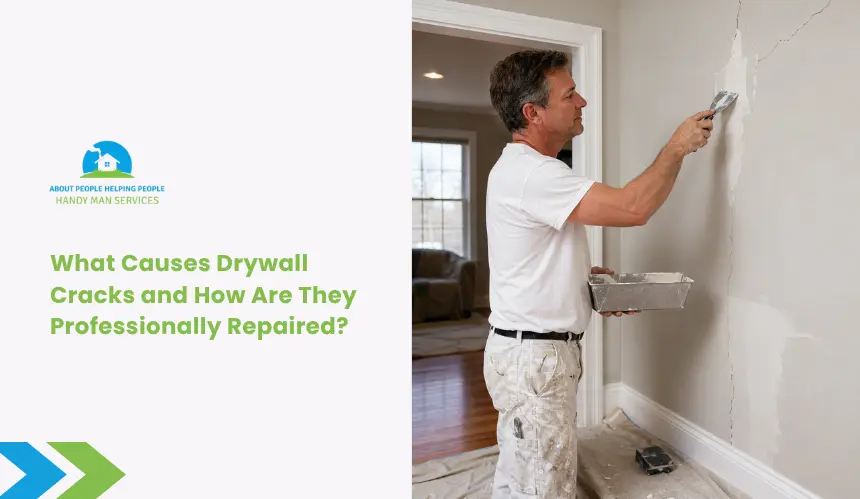
What Causes Drywall Cracks and How Are They Professionally Repaired?
Quick Answer: Drywall cracks are commonly caused by normal house settling, seasonal expansion and contraction, minor structural movement, aging building materials, and changes in indoor moisture levels. While many small cracks are cosmetic, recurring or widening cracks can indicate that the wall surface is moving and may require more than a simple patch. Professional drywall repair focuses on identifying the cause of the crack, reinforcing the affected area, and restoring the wall using techniques that reduce the chance of the damage recurring. Common causes of drywall cracks include:
Professional drywall crack repair typically involves inspecting the damaged area, removing loose material, reinforcing joints with drywall tape, applying multiple layers of joint compound, sanding and blending the repair, and refinishing the surface. By addressing the underlying cause rather than simply covering the crack, professional repairs help create a smoother, longer-lasting result and reduce the likelihood of future cracking. |
Drywall cracks are one of the most common interior maintenance issues homeowners encounter. A thin line spreading across a wall or ceiling can be concerning, especially when it appears suddenly or seems to grow over time. While many drywall cracks result from normal settling and seasonal movement, others may develop due to moisture exposure, shifting building materials, or stress at drywall joints. Understanding what causes these cracks is the first step toward determining the most effective repair solution.
One of the biggest misconceptions about drywall cracks is that they can always be fixed by simply applying a little patching compound and paint. In reality, cracks often return if the underlying movement or weakened joint is not properly addressed. Professional drywall repair goes beyond covering visible damage by identifying the cause of the crack and reinforcing the affected area to create a more durable, long-lasting repair.
Did you know? Most homes experience some degree of natural movement as building materials expand, contract, and settle over time. Drywall joints are often among the first places where this movement becomes visible, making small wall cracks a relatively common part of homeownership.
Although many drywall cracks are cosmetic, their location, size, and pattern can provide valuable clues about their cause. Knowing the difference between normal surface movement and issues that require professional attention helps homeowners protect both the appearance and condition of their interior walls and ceilings.
Why Do Drywall Cracks Develop Over Time?

Drywall cracks usually develop because the materials that make up a home are constantly exposed to small amounts of movement. Walls and ceilings expand, contract, settle, and respond to changes in temperature, humidity, and structural loading throughout the year. While drywall is designed to accommodate minor movement, repeated stress can eventually become visible as cracks along joints, corners, or finished surfaces.
How Does Normal House Settling Cause Drywall Cracks?
Most homes undergo a natural settling process after construction, as the foundation and framing gradually adjust to the structure’s weight and changing ground conditions. This slight movement can place stress on drywall panels and the joints where they are connected.
Hairline cracks that appear during the early years of a home’s life are often associated with normal settling.
Why Do Temperature and Humidity Changes Affect Drywall?
Building materials naturally expand and contract as temperatures and indoor humidity levels change. Wood framing, drywall panels, and joint compounds may react differently to these environmental conditions, resulting in slight movement where materials meet.
Over time, repeated expansion and contraction can stress drywall joints and lead to visible cracks.
Can Aging Building Materials Lead to Cracking?
Yes. As a home ages, repeated cycles of movement and environmental exposure can gradually weaken drywall tape, joint compound, and other finishing materials. Minor imperfections that were once invisible may become more noticeable over the years of normal use.
Fun Fact: Drywall cracks often appear first at seams where two drywall panels meet because these joints are natural transition points that experience more movement than the center of a wall panel.
Did you know? Many small drywall cracks are cosmetic and result from normal building movement rather than serious structural problems. However, the size, location, and pattern of a crack can provide important clues about its cause.
Because not all drywall cracks result from ordinary settling, it is also important to understand how foundation movement and structural shifts can influence the appearance of interior walls and ceilings.
What Are the Most Common Causes of Drywall Cracks?

Drywall cracks rarely appear without a reason. In most cases, they develop when the wall system responds to movement, stress, or environmental changes that occur naturally over the life of a home. While many cracks are purely cosmetic, others can signal that the drywall joints or the structure supporting them have been subjected to repeated forces over time. Understanding the underlying cause is essential in professional drywall repair, as simply patching a visible crack may not prevent it from recurring.
Normal House Settlement
One of the most common causes of drywall cracks is normal house settlement. After construction, a home’s foundation and framing gradually adjust to the building’s weight and the natural movement of the ground beneath it. This process can continue for several years and often creates slight shifts that place stress on drywall seams and corners.
Settlement-related cracks are frequently thin, straight, and located above doors, windows, or along drywall joints. In many cases, they are considered a normal part of a home’s aging process rather than a sign of a serious structural defect.
Seasonal Expansion and Contraction
Homes constantly respond to changing weather conditions. Temperature fluctuations and variations in indoor humidity cause wood framing, drywall panels, and finishing materials to expand and contract at slightly different rates. As these materials move, stress can build up where drywall sheets are taped together.
Over time, repeated expansion and contraction may lead to:
- Hairline cracks along drywall seams
- Corner cracks between walls and ceilings
- Small separations around doors and windows
- Recurring cracks that appear during certain seasons
Fun Fact: Some homeowners notice that drywall cracks become more visible during very dry winters or humid summers because building materials naturally react to environmental changes.
Foundation and Structural Movement
While minor movement is expected in most homes, larger shifts in the foundation or structural framing can create additional stress on interior walls and ceilings. As framing members move or settle unevenly, drywall panels may flex slightly, causing cracks to develop at the weakest points.
Cracks associated with structural movement often appear:
- Above door and window openings
- At wall-to-ceiling intersections
- Along the ceiling joints
- In the corners of rooms
The pattern, width, and rate of growth of these cracks often provide important clues about the extent of movement.
Drywall Joint and Fastener Stress
Drywall is installed using taped seams, joint compound, screws, and nails. These connection points are intentionally designed to join separate drywall panels into a smooth finished surface, but they are also the areas most vulnerable to movement.
As the home experiences normal settling and seasonal shifts, stress may concentrate at these joints, eventually causing the joint compound to crack. Nail pops and screw pops can also occur when fasteners shift slightly within the framing, creating small raised bumps or cracks in the surrounding drywall finish.
Did you know? Most visible drywall cracks develop at seams where two panels meet rather than through the middle of a sheet. These joints naturally experience more movement because they connect separate building materials.
Moisture Intrusion and Humidity Changes
Water is another common contributor to drywall cracking. Plumbing leaks, roof leaks, poor ventilation, or prolonged exposure to humidity can soften drywall and weaken the bond between drywall tape and joint compound. As the area dries, shrinking and contraction may leave visible cracks or cause existing ones to widen.
In addition to cracking, moisture-related drywall problems may also include:
- Bubbling or peeling paint
- Soft or swollen drywall surfaces
- Water stains or discoloration
- Separation along taped joints
Because moisture damage can continue behind the finished wall surface, identifying and correcting the source of the water is an important part of the repair process.
Improper Installation or Aging Building Materials
Not all drywall cracks are caused by movement after construction. In some situations, the original installation may have left joints more vulnerable to future stress. Insufficient joint compound, improperly embedded drywall tape, inadequate fastening, or rushed finishing work can all contribute to premature cracking.
Older homes may also experience cracking simply because the drywall finishing materials have aged. Years of normal expansion, contraction, and everyday building movement gradually reduce the flexibility of joint compounds and taped seams, making them more likely to develop visible cracks.
Did you know? Professional drywall repairs often begin by determining why the crack formed in the first place. Addressing the underlying cause, whether it is settlement, moisture, or joint failure, helps create a longer-lasting repair and reduces the chance that the same crack will return.
How Are Drywall Cracks Professionally Repaired?

Professional drywall repair involves much more than filling a crack with patching compound and applying a fresh coat of paint. While cosmetic patching may temporarily hide the damage, cracks often return if the underlying cause or weakened joint is not properly addressed. A professional repair process focuses on restoring the strength of the affected area while creating a smooth, seamless finish that blends with the surrounding wall or ceiling.
How Is the Underlying Cause Evaluated?
Before repairs begin, the damaged area is carefully inspected to determine why the crack developed. The location, length, width, and pattern of the crack can provide important clues about whether it is related to normal settlement, seasonal movement, moisture exposure, or stress along a drywall joint.
If signs of water intrusion or ongoing structural movement are present, these conditions are typically addressed before cosmetic repairs are completed.
Why Is Surface Preparation So Important?
A durable repair begins with proper preparation. Loose joint compound, damaged drywall tape, and unstable material around the crack are removed to create a solid base for the new repair. Simply applying compound over an existing crack without preparing the surface often causes the crack to reappear.
Professional preparation may include:
- Cleaning and widening the crack slightly for better adhesion
- Removing loose or damaged drywall tape
- Securing loose drywall panels or fasteners
- Eliminating unstable joint compound
This process helps ensure the repair bonds properly to the existing wall surface.
How Do Drywall Tape and Joint Compound Reinforce the Repair?
Once the area has been prepared, drywall tape is typically applied over the repaired joint or crack to provide additional reinforcement. Multiple thin layers of joint compound are then applied over the tape, with each layer allowed to dry before the next is added.
This layered approach helps strengthen the repaired area while reducing the likelihood of future cracking caused by normal building movement.
Fun Fact: Professional drywall finishers often apply several progressively wider coats of joint compound. This technique helps feather the repair into the surrounding wall, making the finished surface appear smooth and nearly invisible after painting.
How Is the Wall Restored to a Seamless Finish?

After the joint compound has fully cured, the repaired area is carefully sanded and blended with the surrounding surface. Texture matching may be performed if the wall or ceiling has an existing finish pattern. Finally, the repaired section is primed and painted to create a consistent appearance.
Did you know? One of the biggest differences between a temporary patch and a professional drywall repair is reinforcement. By strengthening the joint with proper taping and finishing techniques, professional repairs help reduce the chance that the same crack will return after seasonal movement or normal settling.
Frequently Asked Questions
What is the most common cause of drywall cracks?
Normal house settling is one of the most common causes of drywall cracks. As a home naturally shifts and building materials adjust over time, stress can develop along drywall joints and seams.
Are drywall cracks a sign of foundation problems?
Not always. Many drywall cracks are cosmetic and result from normal settlement or seasonal movement. However, large, widening, or recurring cracks may warrant a closer inspection to rule out structural concerns.
Can humidity and temperature changes cause drywall to crack?
Yes. Changes in temperature and indoor humidity can cause framing lumber and drywall materials to expand and contract, placing stress on taped joints and increasing the likelihood of cracking.
How are drywall cracks professionally repaired?
Professional drywall repair typically involves identifying the cause of the crack, preparing the damaged area, reinforcing it with drywall tape, applying multiple layers of joint compound, and refinishing the surface.
Why do repaired drywall cracks sometimes come back?
Cracks may return if the underlying cause, such as ongoing movement, moisture intrusion, or a weakened drywall joint, is not addressed before cosmetic repairs are made.
When should homeowners be concerned about drywall cracks?
Homeowners should pay closer attention to cracks that continue to widen, repeatedly return after repairs, appear around doors and windows, or are accompanied by signs of moisture or structural movement.
Can small drywall cracks be prevented?
While normal settling cannot always be avoided, managing indoor humidity, promptly addressing moisture problems, and performing routine home maintenance can help reduce the likelihood of future drywall cracks.